Feb 2, 2026
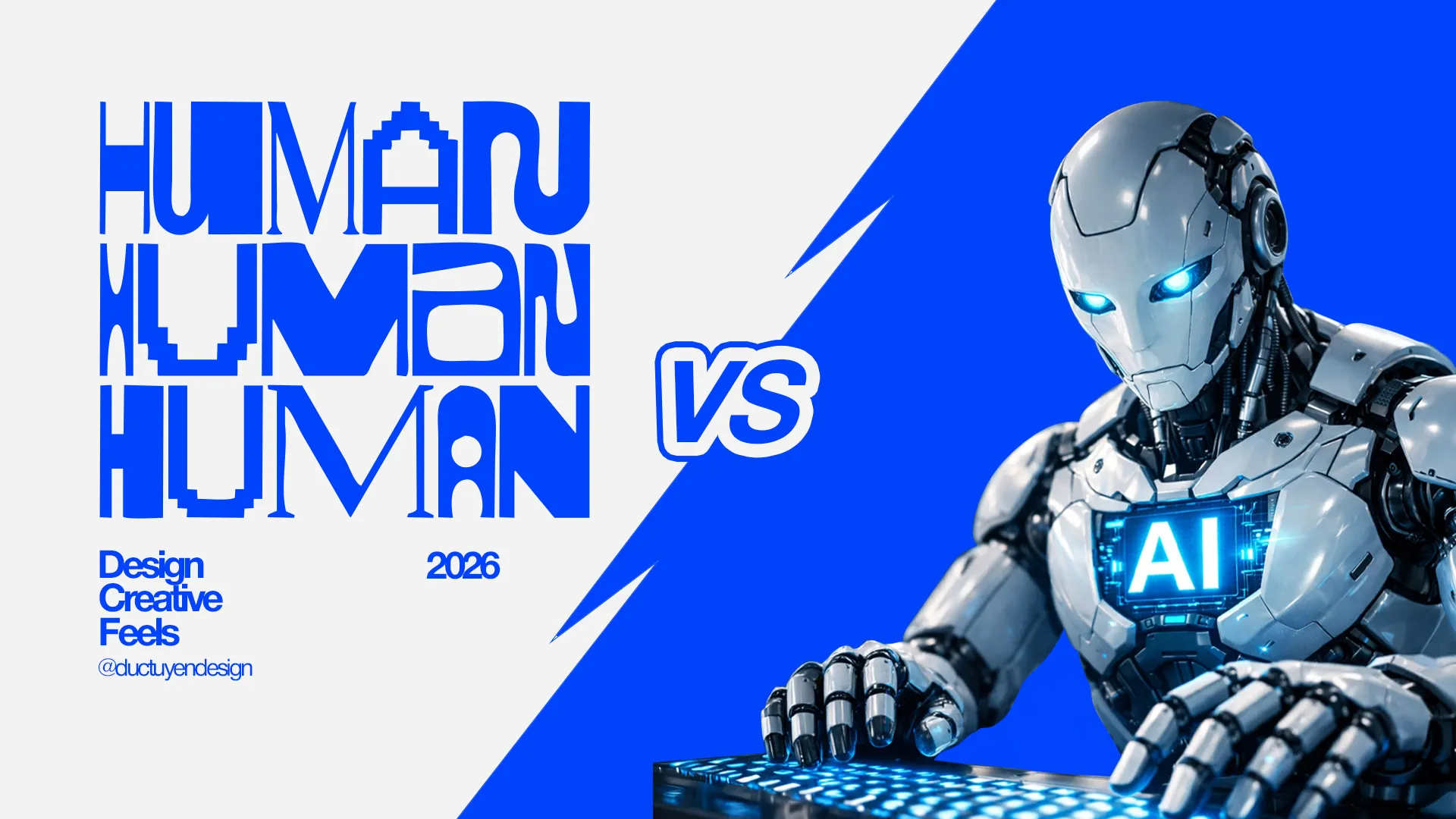
Design in the Age of AI - My Perspective as a Designer
Audemars Piguet explores the legacy of Swiss watchmaking, blending timeless craftsmanship with modern innovation.
Design
problem
Innovation
Design that feels, not just looks.
I don’t think AI is the real problem
Lately, I’ve been thinking a lot about how AI is changing design.
Not in the way most people talk about it — jobs, tools, speed, or productivity.
But something deeper.
How it’s quietly changing the way we think about design.
And honestly, I don’t think AI is the real problem.
I think it’s exposing something that was already there.
We were trained to be perfect
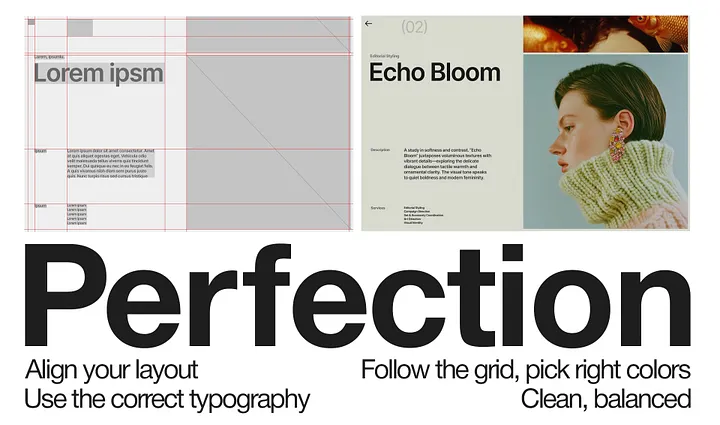
When I first learned design, everything was about control.
Align your layout.
Follow the grid.
Pick the right colors.
Use the correct typography.
Make everything clean, balanced, and “professional”.
And to be fair, that foundation is important.
But looking back, a lot of that training pushed us toward one thing: Perfection
Now
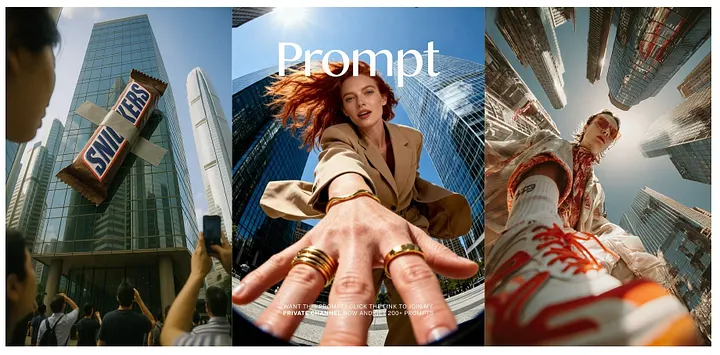
Now AI does that better than us
Here’s the shift.
Everything we used to spend hours perfecting -
AI can now generate in seconds.
Clean layout? Easy.
Balanced composition? Done.
Nice typography? Instant.
So if we keep designing the same way, trying to be perfect, safe, and correct
we slowly start to look like the machine.
And that’s where things get uncomfortable.
Exclusivity
So what does that mean for us?
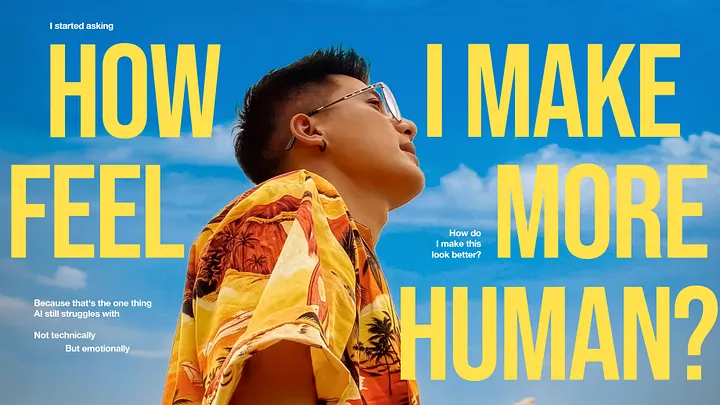
For me, it changed the question.
Instead of asking:
“How do I make this look better?”
I started asking:
“How do I make this feel more human?”
Because that’s the one thing AI still struggles with.
Not technically.
But emotionally.
The rise of “imperfect” design
Recently, I’ve been drawn to work that feels… a bit off.
Not broken.
Just not perfectly polished.
Slightly asymmetrical layouts
Unexpected color choices
Typography that feels expressive, not rigid
Elements overlapping in unusual ways
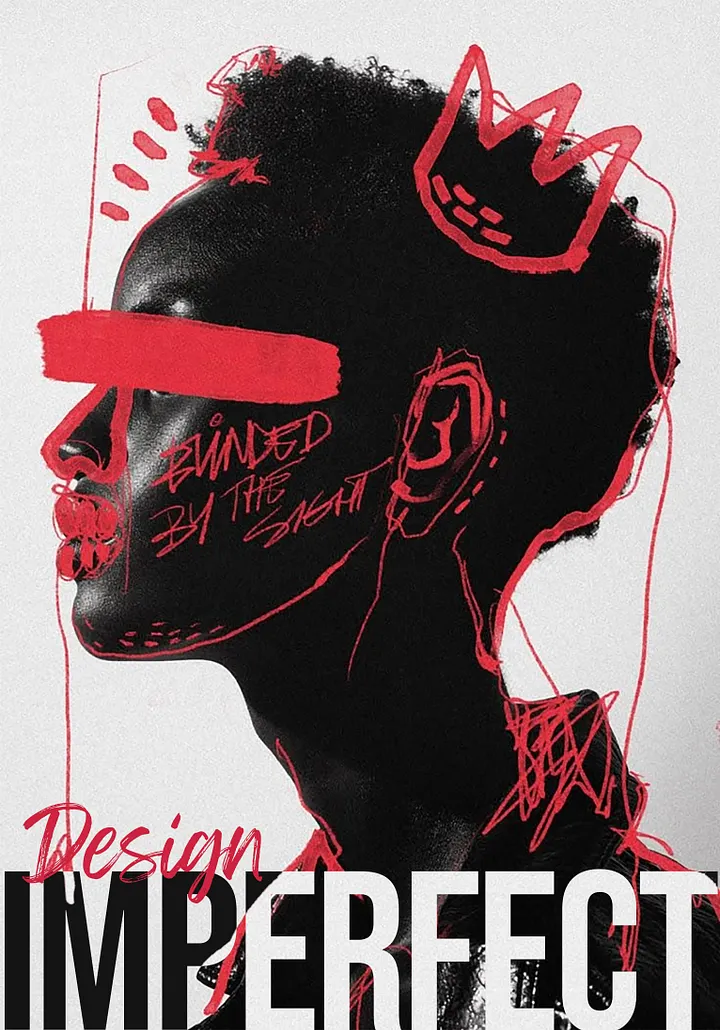
At first, it feels wrong.
But then you look again.
And it feels… alive.
Maybe perfection is no longer the goal
I think we’re entering a phase where:
perfect design is no longer impressive.
Because perfect is now easy.
What’s hard - and valuable - is:
having taste
having a point of view
knowing when to break the rules
That’s something no tool can fully replace.
AI is not killing design, it’s filtering designers
This might sound a bit harsh, but I genuinely believe it.
AI is not removing designers.
It’s removing average thinking.
If your work is:
safe
repetitive
based on existing patterns
then yes, AI will compete with you.
But if your work is:
expressive
experimental
personal
then AI becomes a tool not a threat.
This is why I care about “creative thinking”
When I share tutorials or design breakdowns,
I’m not really trying to teach tools.
Watch my design breakdowns on YouTube: Ductuyendesign
Tools change too fast.
What I care about is:
how you see
how you think
how you approach an idea
Because once you develop that,
you’re not limited to any software.
If you’re learning design right now
Here’s something I wish more people said clearly:
Learning the rules is not enough.
Yes, you need:
grid
typography
composition
color
But that’s just the beginning. At some point, you have to: break away from the system.
Not randomly.
But intentionally.
That’s how you build a style.
Playing safe is the real risk
A lot of people think experimental design is “too much”.
Too abstract.
Too unrealistic.
Too hard to apply.
But I see it differently.
In a world where AI can generate safe work endlessly playing safe is actually the biggest risk.
Because safe work becomes invisible.
What I’m exploring right now
Personally, I’m trying to explore more:
cinematic visuals
expressive typography
unexpected compositions
combining structure with chaos
Not because it’s trendy.
But because it feels more… human.
Final thought
I don’t think the future of design belongs to the most perfect designer.
I think it belongs to the most aware one.
The one who knows when to follow the rules and when to let go of them.
The one who creates something that doesn’t just look good but feels right.
Design that feels, not just looks.
—
Follow my work on Instagram: DucTuyen Design
I cook design tricks so you don’t burn your ideas.
FAQ
01
What types of projects do you take on?
02
How does the process work?
03
How long does a project take?
04
Do you work with international clients?
05
What do you need to get started?
06
Can you work with an existing brand?
07
Do you offer revisions?
08
How do we handle feedback?
Feb 2, 2026
Design in the Age of AI - My Perspective as a Designer
Audemars Piguet explores the legacy of Swiss watchmaking, blending timeless craftsmanship with modern innovation.
Design
problem
Innovation
Design that feels, not just looks.
I don’t think AI is the real problem
Lately, I’ve been thinking a lot about how AI is changing design.
Not in the way most people talk about it — jobs, tools, speed, or productivity.
But something deeper.
How it’s quietly changing the way we think about design.
And honestly, I don’t think AI is the real problem.
I think it’s exposing something that was already there.
We were trained to be perfect
When I first learned design, everything was about control.
Align your layout.
Follow the grid.
Pick the right colors.
Use the correct typography.
Make everything clean, balanced, and “professional”.
And to be fair, that foundation is important.
But looking back, a lot of that training pushed us toward one thing: Perfection
Now
Now AI does that better than us
Here’s the shift.
Everything we used to spend hours perfecting -
AI can now generate in seconds.
Clean layout? Easy.
Balanced composition? Done.
Nice typography? Instant.
So if we keep designing the same way, trying to be perfect, safe, and correct
we slowly start to look like the machine.
And that’s where things get uncomfortable.
Exclusivity
So what does that mean for us?
For me, it changed the question.
Instead of asking:
“How do I make this look better?”
I started asking:
“How do I make this feel more human?”
Because that’s the one thing AI still struggles with.
Not technically.
But emotionally.
The rise of “imperfect” design
Recently, I’ve been drawn to work that feels… a bit off.
Not broken.
Just not perfectly polished.
Slightly asymmetrical layouts
Unexpected color choices
Typography that feels expressive, not rigid
Elements overlapping in unusual ways
At first, it feels wrong.
But then you look again.
And it feels… alive.
Maybe perfection is no longer the goal
I think we’re entering a phase where:
perfect design is no longer impressive.
Because perfect is now easy.
What’s hard - and valuable - is:
having taste
having a point of view
knowing when to break the rules
That’s something no tool can fully replace.
AI is not killing design, it’s filtering designers
This might sound a bit harsh, but I genuinely believe it.
AI is not removing designers.
It’s removing average thinking.
If your work is:
safe
repetitive
based on existing patterns
then yes, AI will compete with you.
But if your work is:
expressive
experimental
personal
then AI becomes a tool not a threat.
This is why I care about “creative thinking”
When I share tutorials or design breakdowns,
I’m not really trying to teach tools.
Watch my design breakdowns on YouTube: Ductuyendesign
Tools change too fast.
What I care about is:
how you see
how you think
how you approach an idea
Because once you develop that,
you’re not limited to any software.
If you’re learning design right now
Here’s something I wish more people said clearly:
Learning the rules is not enough.
Yes, you need:
grid
typography
composition
color
But that’s just the beginning. At some point, you have to: break away from the system.
Not randomly.
But intentionally.
That’s how you build a style.
Playing safe is the real risk
A lot of people think experimental design is “too much”.
Too abstract.
Too unrealistic.
Too hard to apply.
But I see it differently.
In a world where AI can generate safe work endlessly playing safe is actually the biggest risk.
Because safe work becomes invisible.
What I’m exploring right now
Personally, I’m trying to explore more:
cinematic visuals
expressive typography
unexpected compositions
combining structure with chaos
Not because it’s trendy.
But because it feels more… human.
Final thought
I don’t think the future of design belongs to the most perfect designer.
I think it belongs to the most aware one.
The one who knows when to follow the rules and when to let go of them.
The one who creates something that doesn’t just look good but feels right.
Design that feels, not just looks.
—
Follow my work on Instagram: DucTuyen Design
I cook design tricks so you don’t burn your ideas.
FAQ
01
What types of projects do you take on?
02
How does the process work?
03
How long does a project take?
04
Do you work with international clients?
05
What do you need to get started?
06
Can you work with an existing brand?
07
Do you offer revisions?
08
How do we handle feedback?
Feb 2, 2026
Design in the Age of AI - My Perspective as a Designer
Audemars Piguet explores the legacy of Swiss watchmaking, blending timeless craftsmanship with modern innovation.
Design
problem
Innovation
Design that feels, not just looks.
I don’t think AI is the real problem
Lately, I’ve been thinking a lot about how AI is changing design.
Not in the way most people talk about it — jobs, tools, speed, or productivity.
But something deeper.
How it’s quietly changing the way we think about design.
And honestly, I don’t think AI is the real problem.
I think it’s exposing something that was already there.
We were trained to be perfect
When I first learned design, everything was about control.
Align your layout.
Follow the grid.
Pick the right colors.
Use the correct typography.
Make everything clean, balanced, and “professional”.
And to be fair, that foundation is important.
But looking back, a lot of that training pushed us toward one thing: Perfection
Now
Now AI does that better than us
Here’s the shift.
Everything we used to spend hours perfecting -
AI can now generate in seconds.
Clean layout? Easy.
Balanced composition? Done.
Nice typography? Instant.
So if we keep designing the same way, trying to be perfect, safe, and correct
we slowly start to look like the machine.
And that’s where things get uncomfortable.
Exclusivity
So what does that mean for us?
For me, it changed the question.
Instead of asking:
“How do I make this look better?”
I started asking:
“How do I make this feel more human?”
Because that’s the one thing AI still struggles with.
Not technically.
But emotionally.
The rise of “imperfect” design
Recently, I’ve been drawn to work that feels… a bit off.
Not broken.
Just not perfectly polished.
Slightly asymmetrical layouts
Unexpected color choices
Typography that feels expressive, not rigid
Elements overlapping in unusual ways
At first, it feels wrong.
But then you look again.
And it feels… alive.
Maybe perfection is no longer the goal
I think we’re entering a phase where:
perfect design is no longer impressive.
Because perfect is now easy.
What’s hard - and valuable - is:
having taste
having a point of view
knowing when to break the rules
That’s something no tool can fully replace.
AI is not killing design, it’s filtering designers
This might sound a bit harsh, but I genuinely believe it.
AI is not removing designers.
It’s removing average thinking.
If your work is:
safe
repetitive
based on existing patterns
then yes, AI will compete with you.
But if your work is:
expressive
experimental
personal
then AI becomes a tool not a threat.
This is why I care about “creative thinking”
When I share tutorials or design breakdowns,
I’m not really trying to teach tools.
Watch my design breakdowns on YouTube: Ductuyendesign
Tools change too fast.
What I care about is:
how you see
how you think
how you approach an idea
Because once you develop that,
you’re not limited to any software.
If you’re learning design right now
Here’s something I wish more people said clearly:
Learning the rules is not enough.
Yes, you need:
grid
typography
composition
color
But that’s just the beginning. At some point, you have to: break away from the system.
Not randomly.
But intentionally.
That’s how you build a style.
Playing safe is the real risk
A lot of people think experimental design is “too much”.
Too abstract.
Too unrealistic.
Too hard to apply.
But I see it differently.
In a world where AI can generate safe work endlessly playing safe is actually the biggest risk.
Because safe work becomes invisible.
What I’m exploring right now
Personally, I’m trying to explore more:
cinematic visuals
expressive typography
unexpected compositions
combining structure with chaos
Not because it’s trendy.
But because it feels more… human.
Final thought
I don’t think the future of design belongs to the most perfect designer.
I think it belongs to the most aware one.
The one who knows when to follow the rules and when to let go of them.
The one who creates something that doesn’t just look good but feels right.
Design that feels, not just looks.
—
Follow my work on Instagram: DucTuyen Design
I cook design tricks so you don’t burn your ideas.
FAQ
What types of projects do you take on?
How does the process work?
How long does a project take?
Do you work with international clients?
What do you need to get started?
Can you work with an existing brand?
Do you offer revisions?
How do we handle feedback?